Furniture and furnishing maintenance refers to the full range of tasks involved in cleaning, caring for, and preserving furniture and soft furnishings in professional environments. It goes significantly beyond dusting and wiping — encompassing the identification of materials and finishes, the selection of appropriate cleaning products and techniques, the treatment of damage and soiling, and the care of soft furnishings including upholstery, curtains, and cushions.
The distinction between cleaning and maintenance is important. Cleaning removes surface soiling. Maintenance goes further — preserving the condition, appearance, and longevity of the furniture and furnishing assets themselves. A professional who understands furniture maintenance does not just clean a leather sofa; they condition it. They do not just wipe a timber surface; they identify the finish and apply the appropriate care product.
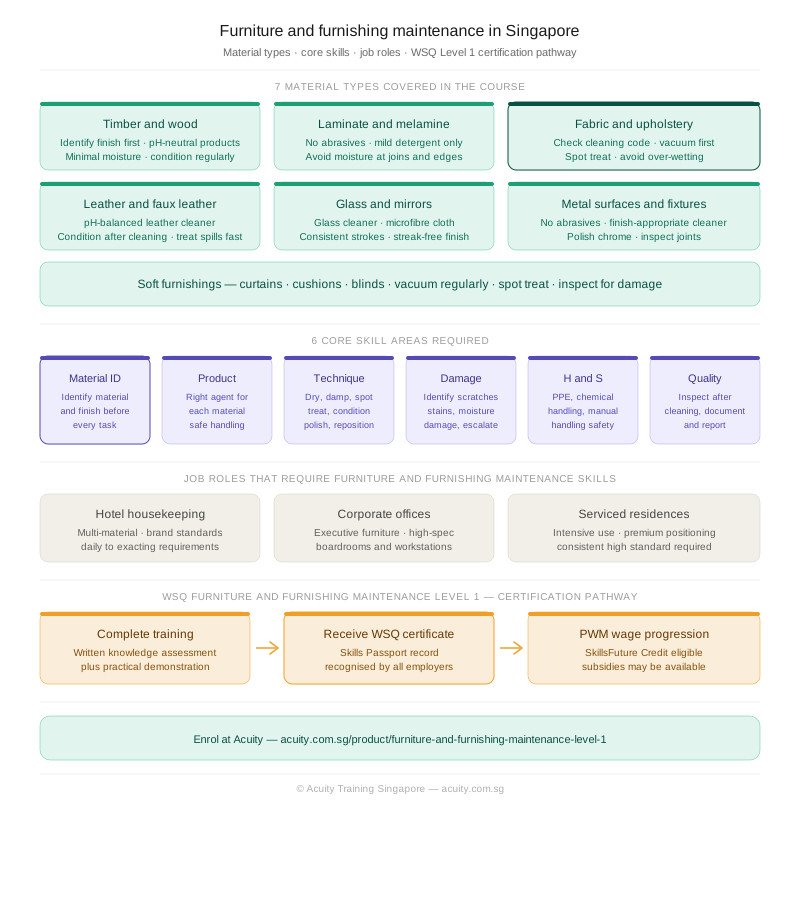
One of the most critical knowledge areas in furniture and furnishing maintenance is understanding the diverse range of materials used in Singapore’s commercial and hospitality furniture — and the specific care requirements of each.
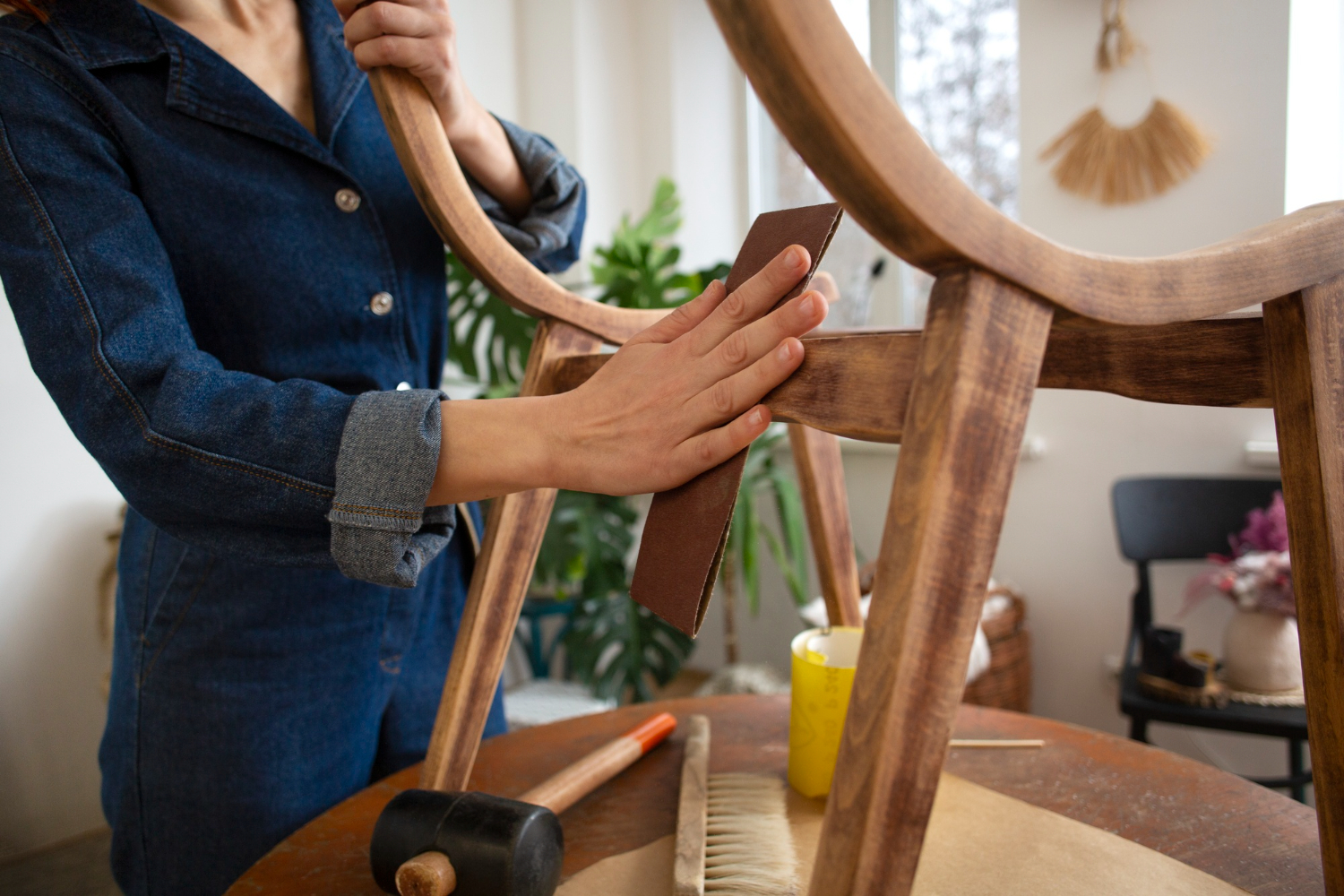
Timber furniture is used extensively in Singapore’s hotel rooms, corporate offices, restaurants, and residential properties. Wood surfaces vary significantly in their finish — lacquered, oiled, waxed, varnished, or natural — and each requires a different maintenance approach.
Key maintenance considerations:
Laminate and melamine surfaces are widely used in commercial and institutional furniture — particularly in office environments, educational facilities, and healthcare settings.
Key maintenance considerations:
Upholstered furniture — sofas, armchairs, dining chairs, office chairs, and headboards — is among the most challenging category. Fabric types vary widely — from natural fibres to synthetic weaves and velvet.
Key maintenance considerations:
Leather furniture is common in Singapore’s executive offices, hotel lobbies, and premium hospitality environments. Genuine leather requires different care from faux leather.
Key maintenance considerations:
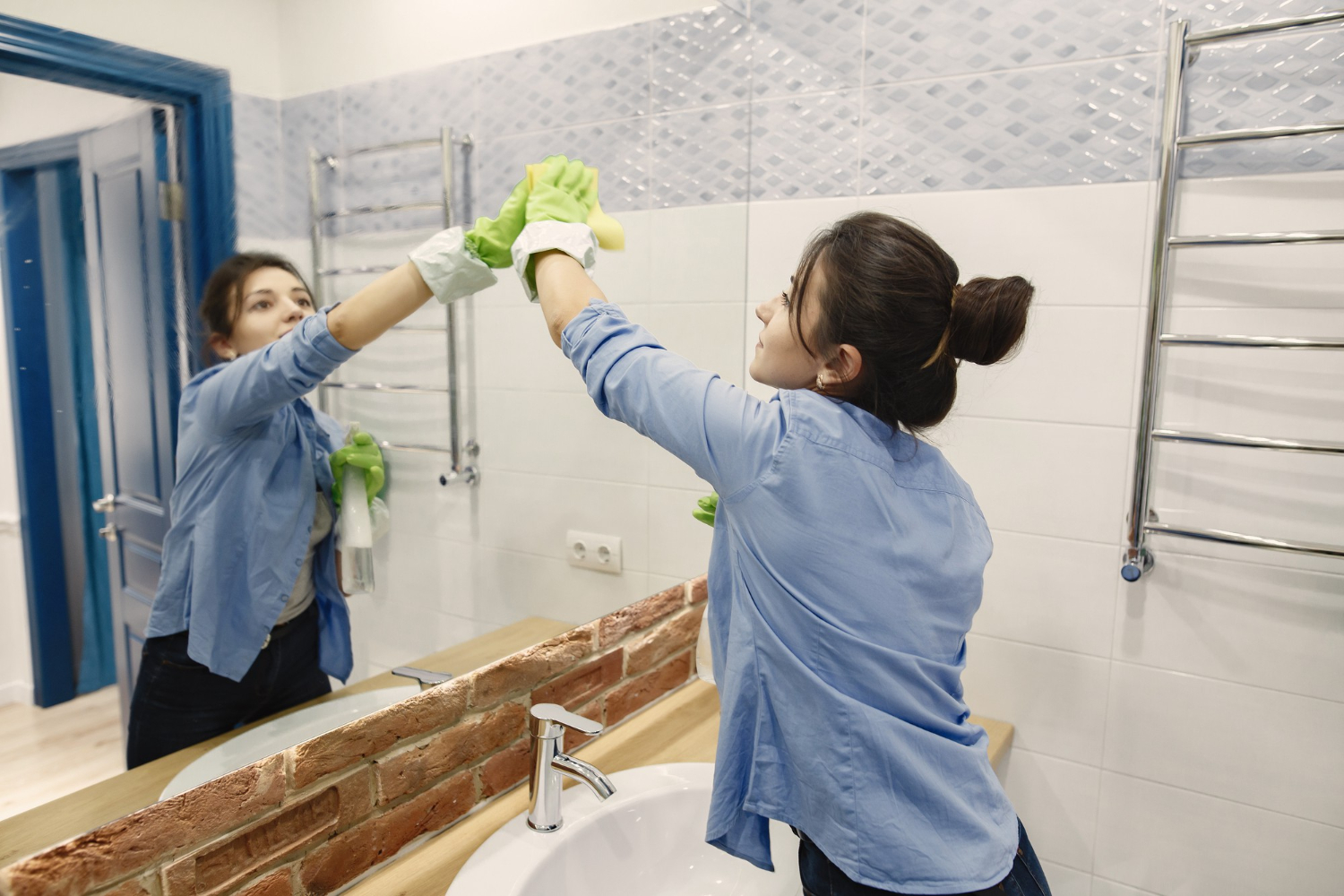
Glass tabletops, mirror surfaces, and glass cabinet doors are common in Singapore’s hotel rooms and corporate offices. Glass maintenance requires streak-free cleaning.
Key maintenance considerations:
Metal furniture frames, legs, handles, and decorative fixtures require cleaning appropriate for the specific metal type — chrome, stainless steel, brushed aluminium, or powder-coated metal.
Key maintenance considerations:
Curtains, cushions, blinds, and other soft furnishings require regular maintenance to maintain their appearance and prevent accumulation of dust, allergens, and biological growth.
Key maintenance considerations:
Professional competency in furniture and furnishing maintenance requires a specific combination of knowledge and practical skill across six areas.
Before any cleaning or maintenance task is carried out, the professional must correctly identify the material and finish of the surface or furnishing being treated. This requires knowledge of the visual and tactile characteristics of different furniture materials, understanding how to check manufacturer’s cleaning codes, ability to recognise common furniture damage types, and judgment about when a task requires specialist or professional remediation.
The wrong cleaning or care product can permanently damage expensive furniture. Professional furniture and furnishing maintenance requires knowledge of which products are appropriate for each material type, how to read product labels and safety data sheets, correct dilution and application of cleaning concentrates, safe storage and disposal, and PPE requirements.
Executing the correct technique for each material and task is the central practical skill. This includes dry cleaning methods for moisture-sensitive surfaces, damp cleaning with appropriately moistened cloths, spot treatment techniques for different stain types, conditioning and polishing for timber, leather, and metal, and correct handling and repositioning of furniture.
Professional furniture maintenance includes the identification of damage requiring repair or specialist treatment — recognising scratches, chips, burns, water damage, fabric damage, and structural issues, documenting them accurately, and distinguishing between damage addressable through routine maintenance and damage requiring specialist attention.
Professional practice requires correct PPE selection and use for different tasks and products, safe handling and storage of cleaning and conditioning chemicals, manual handling awareness for moving or repositioning furniture, and waste disposal in accordance with environmental requirements.
Quality checking confirms that the required standard has been achieved — visual inspection for remaining soiling, residue, or product marks, inspection for any damage caused during maintenance, verification that furniture has been correctly repositioned, and documentation for supervisor review.
Hotel rooms and public areas contain a comprehensive mix of furniture and furnishing types — timber wardrobes, upholstered headboards, leather lobby seating, glass surfaces, soft furnishings including curtains and cushions. Housekeeping staff in Singapore’s hotel sector are expected to maintain all of these to exacting brand standards on a daily basis.
Serviced residences and corporate housing facilities provide furnished accommodation to long-stay guests. The furniture and furnishings in these properties are used intensively and must be maintained to a consistently high standard to justify the premium positioning of these facilities.
Singapore’s corporate offices contain significant investments in furniture — from executive boardroom tables and leather chairs to open-plan workstation systems. Cleaning staff must understand how to maintain these assets without causing damage.
Healthcare facilities use furniture and furnishings that must be maintained to infection control standards in addition to aesthetic standards. Chairs, couches, privacy curtains, and waiting area furnishings in clinical environments require specific maintenance approaches combining aesthetic care with hygiene compliance.
Supervisors and quality controllers must have deep technical knowledge of materials and maintenance techniques — enabling them to train staff, conduct quality checks, identify deficiencies, and manage client expectations.
Facilities managers responsible for building maintenance benefit from understanding furniture and furnishing maintenance at a professional level. This knowledge improves procurement specifications, maintenance contract management, and asset lifecycle planning.
The Furniture and Furnishing Maintenance Level 1 course is a WSQ-aligned programme that develops formal, nationally assessed competency in furniture and furnishing care for cleaning professionals at entry level and above.
The course includes both a written knowledge assessment and a practical competency demonstration. Candidates must demonstrate the ability to correctly identify materials, select appropriate products and techniques, execute maintenance procedures to the required standard, and manage health and safety requirements — not just describe them in theory.
Candidates who meet the required standard receive a WSQ certificate confirming their Furniture and Furnishing Maintenance Level 1 competency. This certificate is recorded on their SkillsFuture Skills Passport and is recognised by employers across Singapore’s cleaning, hospitality, and facilities management industry.
Yes. The Furniture and Furnishing Maintenance Level 1 course is an approved WSQ programme. Eligible Singapore Citizens aged 25 and above may be able to use their SkillsFuture Credit to offset the course fee. Additional subsidies — including employer co-funding under the Progressive Wage Model — may also be available. Check with your training provider for the most current funding options.
Acuity’s Furniture and Furnishing Maintenance Level 1 course provides structured, practical training that develops genuine workplace-ready competency in furniture and soft furnishing care and maintenance.
Cleaning removes surface soiling. Maintenance goes further — preserving the condition, appearance, and longevity of the furniture through conditioning, polishing, protective treatments, and damage identification and escalation. The WSQ Furniture and Furnishing Maintenance Level 1 course covers both.
Hotels, serviced residences, corporate offices, healthcare facilities, restaurants, and any commercial or institutional environment where high-quality furniture is a significant asset.
Yes. The course is designed for candidates at entry level as well as for experienced cleaning professionals seeking to formalise their competency. No prior formal training or qualifications are required.
WSQ qualification completion is linked to wage progression under Singapore’s Progressive Wage Model. Completing relevant WSQ modules including Furniture and Furnishing Maintenance Level 1 supports movement to higher wage tiers.
Identifying the correct material, finish, and care approach before beginning any task is the most critical competency. Applying the wrong product or technique to a sensitive surface can cause permanent damage that no subsequent effort can fully reverse.
Please fill in the following details so we can assist you better.
This will close in 0 seconds