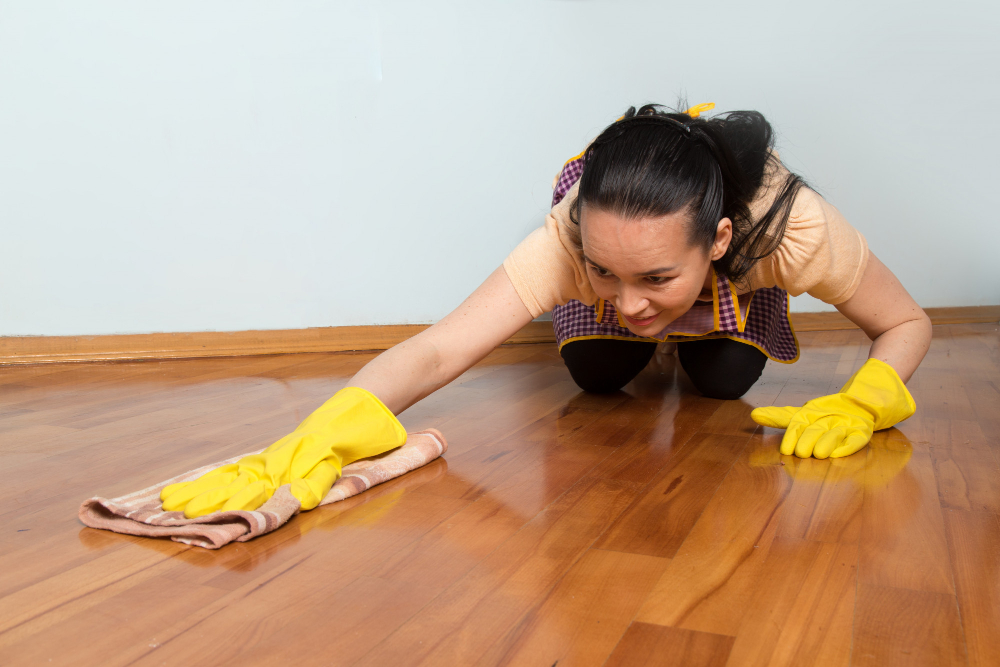
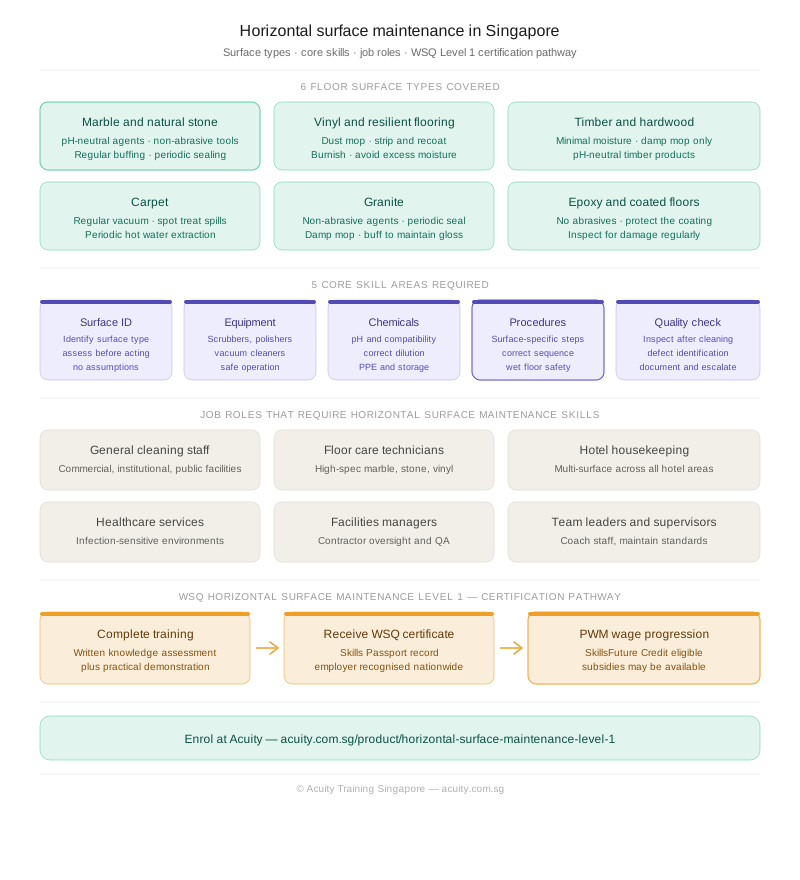
Horizontal surface maintenance refers to the full range of tasks involved in cleaning, maintaining, and restoring floor and horizontal surfaces in commercial and institutional environments. It goes significantly beyond basic sweeping and mopping — encompassing the selection of appropriate cleaning methods and equipment for different surface types, the safe handling of chemicals, the correct operation of mechanical equipment, and the application of surface-specific maintenance techniques.
Different surface types have fundamentally different characteristics — and therefore require fundamentally different maintenance approaches. A cleaning professional who applies the wrong method or chemical to a sensitive surface can cause damage that is costly or impossible to repair. Horizontal surface maintenance training develops the knowledge and practical skills to make these judgements correctly and consistently.
One of the most important knowledge areas in horizontal surface maintenance is understanding the diversity of floor surface types used in Singapore’s built environment — and the specific maintenance requirements of each.
Marble and other natural stone floors are common in Singapore’s hotel lobbies, office entrances, and high-end residential properties. They are visually impressive but highly sensitive — susceptible to etching from acidic cleaning agents, scratching from abrasive materials, and staining from spills.
Maintenance requires:
Granite is more resistant to scratching and staining than marble, but still requires careful maintenance. It is widely used in Singapore’s food courts, retail environments, and public buildings.
Maintenance requires:
Vinyl and resilient flooring are among the most commonly used floor surfaces in Singapore’s healthcare, retail, and educational environments. They are durable but require specific maintenance to preserve their appearance.
Maintenance requires:
Timber flooring is used in corporate offices, restaurants, and residential properties. It requires careful maintenance to prevent water damage, warping, and surface wear.
Maintenance requires:
Carpeted floors are found in corporate offices, hotel corridors, conference rooms, and residential properties. Carpet maintenance requires different techniques from hard surface maintenance.
Maintenance requires:
Epoxy-coated floors are common in industrial facilities, car parks, and commercial kitchens. They are durable and chemical-resistant but require specific maintenance to preserve the coating.
Maintenance requires:
Professional horizontal surface maintenance requires a specific combination of technical knowledge and practical skill across five areas.
Before any cleaning or maintenance task begins, the cleaning professional must correctly identify the surface type and assess its current condition — including the nature and location of soiling, any existing damage, and any factors that might affect the cleaning approach.
Horizontal surface maintenance involves a range of mechanical and manual equipment — and selecting and operating the right equipment for each task and surface type is a core professional skill.
Key knowledge areas or equipment include:
The wrong cleaning agent can permanently damage a sensitive floor surface. Professional horizontal surface maintenance requires knowledge of cleaning chemistry at the level needed to select appropriate products and use them correctly.
Key knowledge areas or equipment include:
Executing the correct cleaning procedure for each surface type — including the sequence of steps, the equipment used at each stage, and the quality standards to be met — is the central practical skill.
Key knowledge areas or equipment include:
Professional maintenance includes quality checking to verify that the required standard has been achieved and that no damage has been caused during the maintenance process.
Wet floors are one of the most common causes of slip and fall accidents in commercial environments. Professional maintenance requires deployment of wet floor warning signs, use of physical barriers where necessary, sectional cleaning approaches to maintain dry pathways, and drying verification before removing warnings.
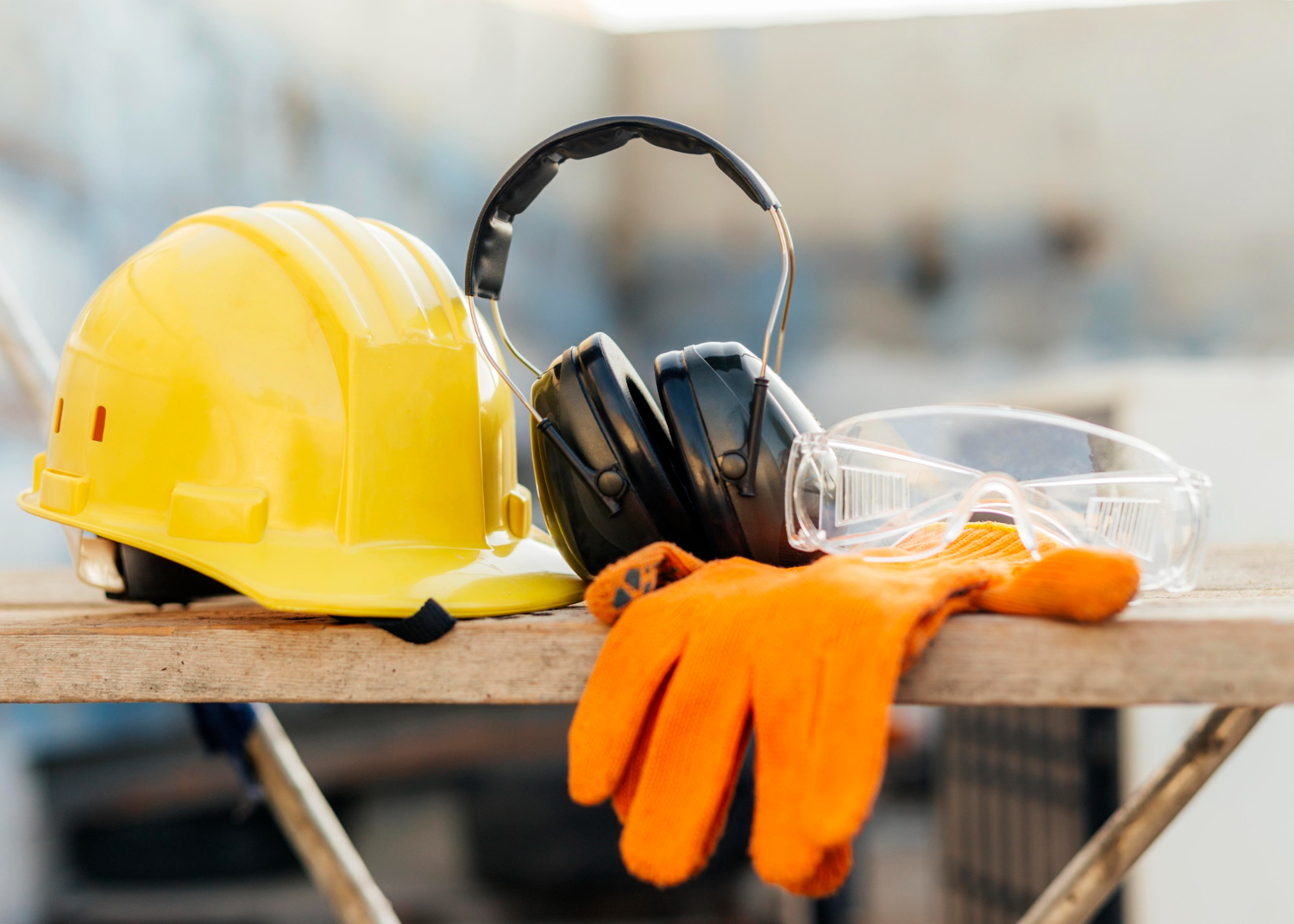
Working with cleaning agents requires correct PPE selection and use — including gloves appropriate for chemical contact, eye protection for tasks involving splashing risk, non-slip footwear for wet environments, and respiratory protection where ventilation is inadequate.
Waste cleaning water and chemical effluent must be disposed of correctly — to designated drainage points and in compliance with Singapore’s environmental regulations. Improper disposal can result in regulatory action and environmental harm.
Horizontal surface maintenance competency is relevant across a broad range of job roles in Singapore’s built environment sector.
General cleaning staff working in commercial buildings, shopping centres, educational institutions, hospitals, and public facilities carry out horizontal surface maintenance tasks as a core part of their daily responsibilities. WSQ certification demonstrates assessed competency and supports wage progression under the Progressive Wage Model.
Some cleaning operations employ specialist floor care technicians whose role focuses specifically on the maintenance and restoration of floor surfaces — particularly in environments with high-specification finishes such as marble, polished granite, or high-gloss vinyl. These roles typically command higher wages and require deeper technical competency.
Hotel housekeeping teams are responsible for maintaining floor surfaces across a complex mix of environments — carpeted corridors, marble lobby floors, timber-floored restaurant areas, and tiled bathroom floors — often to exacting brand standards.
Environmental services teams in hospitals, clinics, and care facilities maintain floor surfaces in infection-sensitive environments where cleaning standards are directly linked to patient safety outcomes.
Facilities management technicians responsible for building maintenance benefit from direct horizontal surface maintenance competency. Understanding correct maintenance requirements enables more effective contractor management, quality specification, and performance evaluation.
Team leaders and supervisors must understand horizontal surface maintenance to the same level as the staff they supervise — enabling them to identify errors, coach staff effectively, and maintain the quality standards that clients and building managers expect.
The Horizontal Surface Maintenance Level 1 course is a WSQ-aligned programme that develops formal competency in horizontal surface maintenance for cleaning professionals at entry level and above.
The course includes both a written knowledge assessment and a practical competency demonstration. Candidates must demonstrate the ability to correctly identify surfaces, select appropriate methods and equipment, execute cleaning procedures to the required standard, and manage safety requirements — not just describe them in theory.
Candidates who meet the required standard in all assessment components receive a WSQ certificate confirming their Horizontal Surface Maintenance Level 1 competency. This certificate is recorded on their SkillsFuture Skills Passport and is recognised by employers across Singapore’s cleaning and facilities management industry.
The Horizontal Surface Maintenance Level 1 course is one of three specialist cleaning competency modules available at Acuity — each covering a different cleaning environment.
Yes. The Horizontal Surface Maintenance Level 1 course is an approved WSQ programme. Eligible Singapore Citizens aged 25 and above may be able to use their SkillsFuture Credit to offset the course fee. Additional subsidies — including employer co-funding under the Progressive Wage Model — may also be available. Check with your training provider for the most current funding options.
Acuity’s Horizontal Surface Maintenance Level 1 course provides structured, practical training that develops genuine workplace-ready competency in floor and horizontal surface maintenance.
Horizontal surface maintenance covers marble and natural stone, granite, vinyl and resilient flooring, timber and hardwood, carpet, and epoxy-coated industrial floors. Each surface type has specific maintenance requirements covered in WSQ training.
No. Facilities management staff, team leaders, and supervisors who oversee cleaning operations also benefit. Understanding correct maintenance requirements for different surface types enables more effective quality oversight and contractor management.
WSQ qualification completion is directly linked to wage progression under Singapore’s Progressive Wage Model. Completing Horizontal Surface Maintenance Level 1 alongside other relevant WSQ cleaning modules supports movement to higher wage tiers.
Yes. There is no restriction on completing Horizontal Surface Maintenance Level 1 alongside Washroom Maintenance Level 1 or Furniture and Furnishing Maintenance Level 1. Many cleaning professionals complete multiple modules to build a comprehensive competency profile.
Cleaning removes soil, contaminants, and debris from the surface. Maintenance goes further — encompassing the preservation, protection, and restoration of the surface itself, including the application of floor finishes, polishing, sealing, and the identification and remediation of surface damage.
Please fill in the following details so we can assist you better.
This will close in 0 seconds