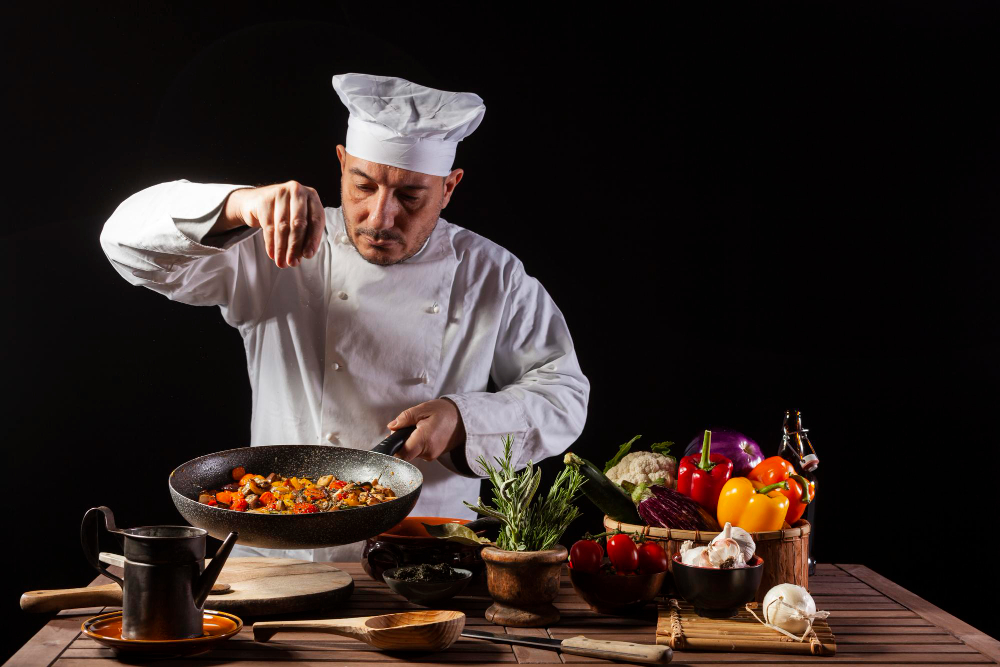
Singapore maintains strict food hygiene standards to protect public health. All food handlers must be trained and certified before they can work in food preparation or service roles.
Food safety training ensures that individuals understand:
- Proper hygiene practices
- Safe food preparation methods
- Prevention of contamination
- Cleaning and sanitation procedures
- Food storage and temperature control
Without proper certification, individuals are not allowed to handle food professionally.
What Is the Food Safety Course in Chinese?
The Food Safety Course in Chinese is the same WSQ Food Safety Level 1 programme, delivered in Mandarin for learners who prefer Chinese as their primary language.
The course content remains the same, including:
- Food hygiene principles
- Safe food handling practices
- Workplace cleanliness standards
- Basic food safety regulations
The only difference is the language of instruction, making it easier for learners to understand and apply the knowledge.
To explore the course details, you can visit the
Food Safety Course Level 1 (Chinese) page.
Who Should Take the Food Safety Course in Chinese?
This course is designed for individuals who prefer learning in Chinese while working in Singapore’s food industry.
Non-English Speaking Food Handlers
Individuals who are not confident in English may find it difficult to fully understand training delivered in English.
Learning in Chinese allows them to:
- Understand key concepts clearly
- Follow instructions accurately
- Perform better during assessments
New Workers in the Food Industry
Many new workers entering the food and beverage sector come from diverse language backgrounds.
The Chinese version of the course helps them:
- Learn faster
- Build confidence
- Meet certification requirements more easily
Hawker Stall Operators and Kitchen Staff
Hawker centres and small food businesses often employ staff who are more comfortable communicating in Chinese.
Taking the course in Chinese ensures that they:
- Understand hygiene standards clearly
- Apply correct food handling practices
- Maintain compliance with regulations
Individuals Who Prefer Native Language Learning
Even for learners who understand basic English, studying in their native language often improves retention and comprehension.
This is especially important for topics like food safety, where mistakes can have serious consequences.
Benefits of Taking the Course in Chinese
Choosing the Chinese version of the course offers several advantages.
Better Understanding of Key Concepts
Learning in a familiar language reduces confusion and helps learners grasp important details more easily.
Higher Confidence During Assessment
Learners are more confident when answering questions and completing practical tasks in a language they are comfortable with.
Improved Workplace Application
Clear understanding leads to better implementation of hygiene and safety practices in real work environments.
Compliance with Certification Requirements
The course meets the same regulatory standards as the English version, ensuring full compliance.
Is the Certification the Same?
Yes. The certification obtained after completing the Chinese version of the course is exactly the same as the English version.
There is no difference in:
- Certification recognition
- Validity period
- Regulatory acceptance
- Employment eligibility
Employers recognise both versions equally, as they follow the same WSQ framework.
How Long Is the Course and Certification Valid?
The Food Safety Course Level 1 is typically completed within one day.
After completion, the certification is valid for 5 years.
After this period, food handlers must take a refresher course to renew their certification and continue working legally.
How to Choose the Right Language Option
When selecting a course, it is important to choose the language that allows you to understand the content clearly.
You should choose the Chinese course if:
- You are more comfortable speaking and reading Chinese
- You prefer learning in your native language
- You want to improve understanding and reduce mistakes
Choosing the right language improves both learning outcomes and job performance.
How Acuity Supports Chinese-Language Learners
Acuity provides food safety training in multiple languages to support diverse learners in Singapore.
The Food Safety Course Level 1 (Chinese) is delivered by experienced trainers who ensure that learners fully understand the course material and are well-prepared for assessment.
With practical instruction and structured training, learners gain the skills needed to work safely and confidently in the food industry.
Frequently Asked Questions
Is the food safety course in Chinese recognised in Singapore?
Yes. The Chinese version follows the same WSQ framework and is fully recognised.
Can I work after completing the Chinese course?
Yes. You can work as a food handler once you obtain certification.
Is the exam also in Chinese?
Yes. Both the training and assessment are conducted in Chinese.
Is the course harder in Chinese?
No. It is designed to be easier for learners who prefer Chinese.
Can I switch to English later?
Yes. Both versions are equivalent and recognised equally.
Do I still need to take a refresher course?
Yes. Certification must be renewed after five years.