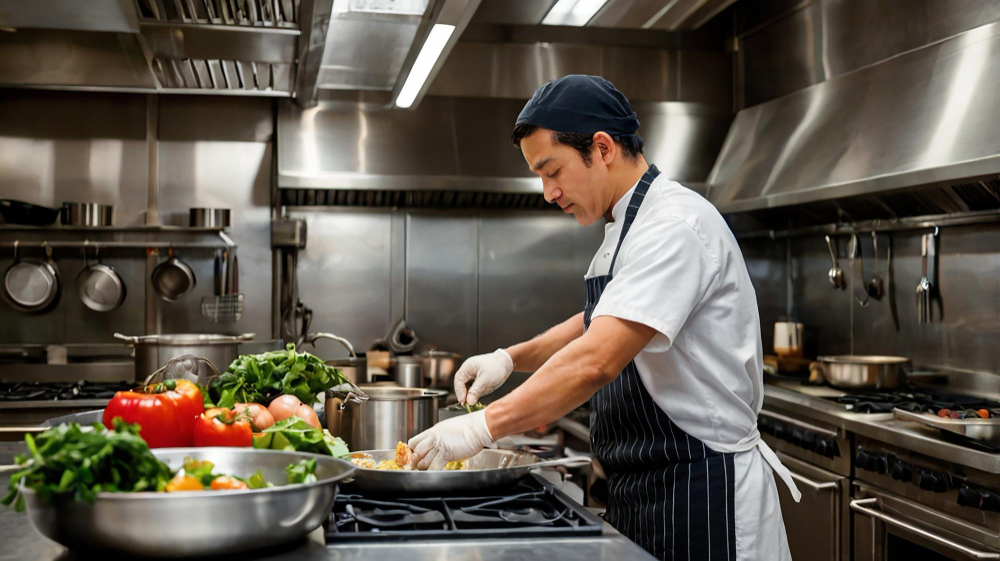
Food safety is a critical responsibility for all food and beverage (F&B) businesses in Singapore. From restaurants and cafés to hawker stalls and catering companies, maintaining proper hygiene standards is essential to protect public health and comply with regulations.
Many business owners and food handlers are unsure about the exact food hygiene requirements Singapore enforces. Questions often arise around certification, training, and daily operational standards.
In this guide, you will learn the key food hygiene requirements for F&B businesses in Singapore, including certification rules, hygiene practices, compliance expectations, and how to ensure your business meets regulatory standards.
Why Food Hygiene Is Important for F&B Businesses
Food hygiene is essential to prevent food contamination and foodborne illnesses.
Poor hygiene practices can lead to:
- Food poisoning incidents
- Health risks for customers
- Business penalties or closure
- Damage to brand reputation
Maintaining proper hygiene standards ensures that food served to customers is safe and prepared under controlled conditions.
Who Regulates Food Hygiene in Singapore?
Food hygiene standards in Singapore are regulated by the Singapore Food Agency (SFA).
SFA is responsible for:
- Setting food safety regulations
- Conducting inspections of food establishments
- Enforcing hygiene standards
- Issuing food shop licences
- Managing compliance and penalties
All F&B businesses must follow SFA guidelines to operate legally.
Mandatory Food Safety Training Requirements
One of the key requirements for food handlers is completing recognised food safety training.
Most food handlers are required to complete WSQ Food Safety Level 1 before they can begin working.
This training ensures that individuals understand:
- Proper food hygiene practices
- Safe food handling procedures
- Contamination prevention
- Cleaning and sanitation standards
Employers must ensure that staff handling food are properly trained and certified.
Personal Hygiene Requirements for Food Handlers
Food handlers must maintain high standards of personal hygiene to prevent contamination.
Key requirements include:
- Washing hands regularly and properly
- Wearing clean uniforms
- Avoiding handling food when unwell
- Keeping fingernails short and clean
- Avoiding direct contact with food where possible
These practices help reduce the risk of transferring harmful bacteria to food.
Safe Food Handling Practices
F&B businesses must ensure that food is handled safely at all stages of preparation.
Important practices include:
- Separating raw and cooked food
- Cooking food to appropriate temperatures
- Avoiding cross-contamination
- Using clean utensils and equipment
- Handling food with proper tools
These steps help ensure food safety from preparation to service.
Food Storage and Temperature Control
Proper food storage is essential to prevent spoilage and contamination.
Businesses must:
- Store food at correct temperatures
- Refrigerate perishable items promptly
- Keep raw and cooked food separate
- Label and track food storage dates
- Avoid storing food in unsafe conditions
Maintaining correct storage conditions helps preserve food quality and safety.
Cleaning and Sanitation Requirements
Maintaining a clean kitchen environment is a key part of food hygiene compliance.
F&B businesses must:
- Clean and sanitise work surfaces regularly
- Ensure equipment is properly maintained
- Dispose of waste properly
- Maintain pest control measures
- Keep food preparation areas hygienic
Regular cleaning reduces the risk of contamination and ensures compliance with regulations.
Food Establishment Licensing Requirements
All food businesses in Singapore must obtain a valid licence before operating.
Licensing requirements typically include:
- Meeting hygiene and safety standards
- Ensuring proper kitchen setup
- Completing required inspections
- Maintaining compliance with SFA regulations
Operating without a licence may result in penalties or business closure.
Inspections and Compliance Monitoring
SFA conducts inspections to ensure that food establishments comply with hygiene requirements.
During inspections, authorities may check:
- Cleanliness of premises
- Food storage practices
- Staff hygiene
- Certification of food handlers
- Compliance with safety procedures
Businesses that fail inspections may face penalties or enforcement actions.
Penalties for Non-Compliance
Failure to comply with food hygiene requirements can result in serious consequences.
These may include:
- Fines and penalties
- Suspension or revocation of licences
- Business closure
- Legal action
Maintaining compliance helps businesses avoid these risks and operate smoothly.
How to Ensure Your Business Meets Hygiene Requirements
To maintain compliance, F&B businesses should:
- Ensure staff complete required food safety training
- Implement strict hygiene protocols
- Conduct regular internal checks
- Keep records of training and certifications
- Stay updated with regulatory requirements
Proactive management helps businesses maintain high hygiene standards.
How Acuity Supports Food Safety Training
Acuity provides structured food safety training programmes that help individuals and businesses meet regulatory requirements.
Through the WSQ Food Safety Course Level 1, participants learn essential hygiene practices, safe food handling procedures, and compliance standards required in Singapore’s F&B industry.
With experienced instructors and practical training, Acuity helps food handlers build the knowledge needed to maintain safe and compliant food operations.
Frequently Asked Questions
Is food safety training mandatory for F&B staff in Singapore?
Yes. Food handlers are generally required to complete recognised food safety training before working.
Who enforces food hygiene regulations in Singapore?
Food hygiene regulations are enforced by the Singapore Food Agency (SFA).
What happens if a business fails a hygiene inspection?
Businesses may face penalties, fines, or suspension depending on the severity of the issue.
Do all food handlers need certification?
Yes. Individuals involved in food preparation and handling typically require certification.
How can businesses improve food hygiene standards?
Businesses can improve hygiene by training staff, maintaining clean environments, and following proper food safety procedures.