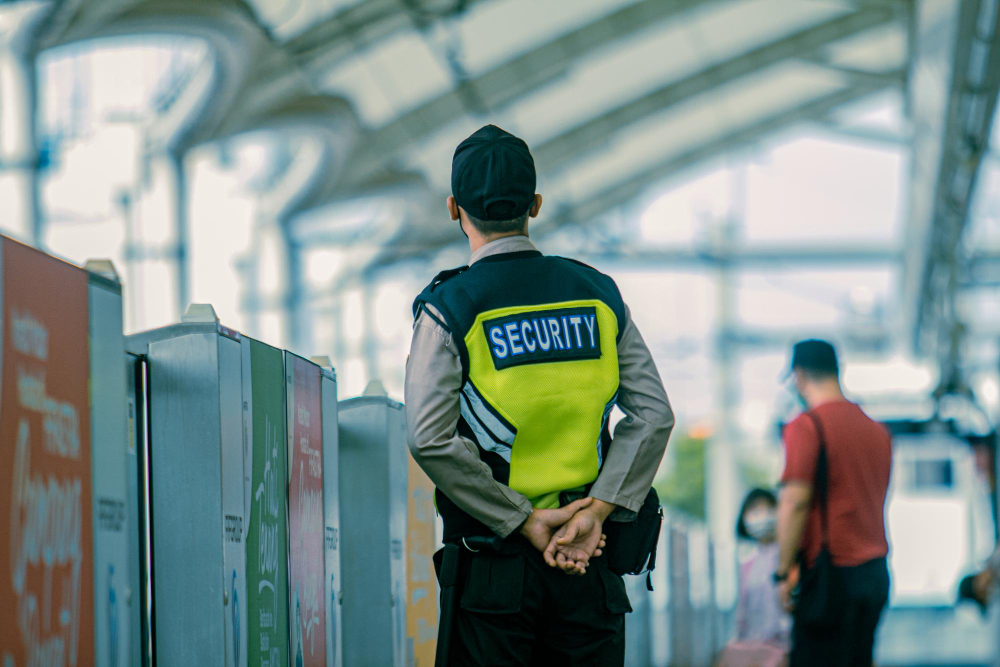
For anyone considering a career in the security industry, one common question arises: does security training or on-the-job experience matter more? While both are important, many aspiring officers are unsure which one has the greatest impact on career success.
Some people believe practical experience is enough to learn the job. Others argue that structured training is essential for understanding procedures, legal responsibilities, and safety protocols.
In Singapore’s regulated security industry, the reality is that both training and experience play complementary roles. This guide explores the differences between security training and practical experience, how each contributes to professional development, and why combining both is essential for long-term career growth.
Why Skills Matter in the Security Industry
Security officers are responsible for protecting people, property, and public spaces. Because of this responsibility, the industry requires individuals who are both professionally trained and practically experienced.
Having the right skills ensures that officers can:
- Respond effectively to incidents
- Manage access control and patrol duties
- Handle emergencies calmly
- Communicate professionally with the public
- Follow legal and safety procedures
Without proper preparation, security personnel may struggle to manage real-world situations.
What Is Security Training?
Security training refers to structured courses designed to teach officers the knowledge and skills required for the job.
In Singapore, many security courses are part of the Workforce Skills Qualifications (WSQ) framework. These programmes ensure that training follows national industry standards.
Training typically covers topics such as:
- Patrolling procedures
- Access control management
- Incident reporting
- Emergency response
- Customer service skills
- Legal responsibilities of security officers
Structured training helps new officers understand their responsibilities before entering the workplace.
Benefits of Security Training
Professional training provides several important advantages, particularly for beginners entering the industry.
1. Standardised Industry Knowledge
Training ensures that all officers understand the same procedures and operational standards.
This consistency is important for maintaining safety and professionalism across the industry.
2. Legal and Regulatory Awareness
Security officers must understand laws related to public safety, authority limits, and incident reporting.
Training programmes help officers avoid mistakes that could lead to legal issues.
3. Confidence in Handling Emergencies
Through simulations and guided instruction, trainees learn how to respond to:
- Security threats
- Medical emergencies
- Fire incidents
- Crowd management situations
This preparation helps officers react more effectively in real situations.
What Is On-the-Job Experience?
On-the-job experience refers to the practical skills gained while working in real security environments.
This includes tasks such as:
- Conducting patrols
- Monitoring surveillance systems
- Managing visitor access
- Handling incidents or disturbances
- Communicating with staff and the public
Experience helps officers develop situational awareness and confidence through real-world exposure.
Benefits of On-the-Job Experience
While training provides foundational knowledge, experience builds practical competence.
1. Real-World Problem Solving
Security work often involves unpredictable situations. Experience helps officers develop the ability to assess risks quickly and make appropriate decisions.
2. Improved Communication Skills
Working with different people every day helps officers learn how to communicate effectively with:
- Visitors
- Residents
- Employees
- Emergency responders
Strong communication skills are essential for maintaining order and resolving conflicts.
3. Practical Understanding of Security Operations
Experience helps officers understand how security operations function in real environments such as:
- Office buildings
- Hotels
- Residential developments
- Shopping malls
- Event venues
Each environment presents unique security challenges.
Why Security Training Is Required Before Experience
In Singapore, security officers cannot rely solely on experience. The industry requires individuals to complete recognised training before performing security duties.
For example, new officers typically complete the Security Officer BLU Course, which prepares them for entry-level responsibilities in the security sector.
This requirement ensures that officers understand essential procedures and safety standards before starting work.
Without this training, individuals cannot legally perform security duties.
How Training and Experience Work Together
Rather than competing with each other, training and experience complement one another.
Training provides the foundation, while experience helps refine and apply those skills in real situations.
For example:
Training Provides | Experience Develops |
Industry knowledge | Situational judgement |
Legal awareness | Practical decision-making |
Emergency procedures | Confidence under pressure |
Standard operating procedures | Adaptability in real environments |
Combining both elements allows officers to become competent and reliable professionals.
Career Progression Requires Both Training and Experience
Advancing in the security industry usually requires a combination of formal training and practical experience.
For example, officers who wish to become:
- Senior Security Officers
- Security Supervisors
- Security Managers
must complete higher-level courses while gaining workplace experience.
Training provides leadership and operational knowledge, while experience helps professionals manage real teams and situations.
The Role of Continuous Learning in Security Careers
The security industry continues to evolve with new technologies, procedures, and safety requirements.
As a result, officers must continue upgrading their skills through training and practical exposure.
Continuous learning helps professionals:
- Stay updated with security best practices
- Improve career prospects
- Adapt to new technologies such as surveillance systems
- Qualify for promotions and higher responsibilities
Professionals who invest in both training and experience are more likely to succeed long term.
How Acuity Supports Professional Security Training
Acuity offers structured training programmes that prepare individuals for real-world security work.
Through its Security Officer BLU Course, students gain the essential knowledge and practical skills required to start a career in the security industry.
With experienced instructors and industry-aligned training, learners develop the confidence needed to transition from training into professional security roles.
This combination of structured education and real-world preparation helps build a strong foundation for long-term career growth.
Frequently Asked Questions
Is training required before working as a security officer in Singapore?
Yes. Security officers must complete recognised training before they can work legally in the industry.
Can experience replace security training?
No. While experience is valuable, training is required to ensure officers understand industry standards and legal responsibilities.
Which is more important: training or experience?
Both are important. Training provides foundational knowledge, while experience helps officers apply those skills in real situations.
Can training improve career opportunities in the security industry?
Yes. Additional training allows officers to qualify for higher positions such as supervisor or security manager.
How can beginners start a career in security?
Most beginners begin by completing entry-level training such as the Security Officer BLU Course before applying for security positions.